
When you compare Tokyo to Kyoto, when it comes to gardens, Tokyo definitely has not the same richness and diversity. But one I really would recommend is the garden of the Nezu Museum, situated in Aoyama, Tokyo.
This private museum houses a collection of Japanese and East Asian artworks from the former president of the Tobu railway company, Nezu Kaichiro. The whole collection consists of paintings, calligraphy, ceramics and several other craft objects. The museum is situated on the land of the former private residence of Nezu Kaichiro. He bought the land in 1906 and ordered to design a garden to compliment his residence. After his death in 1940 his son made the house and gardens into a museum, to preserve his father’s legacy. During WWII, both the house and gardens got severely damaged, but luckily the collection was relocated outside the city before the destruction took place. In 2006 the museum closed for a 3 year period and opened again with a brand new building from architect Kengo Kuma.
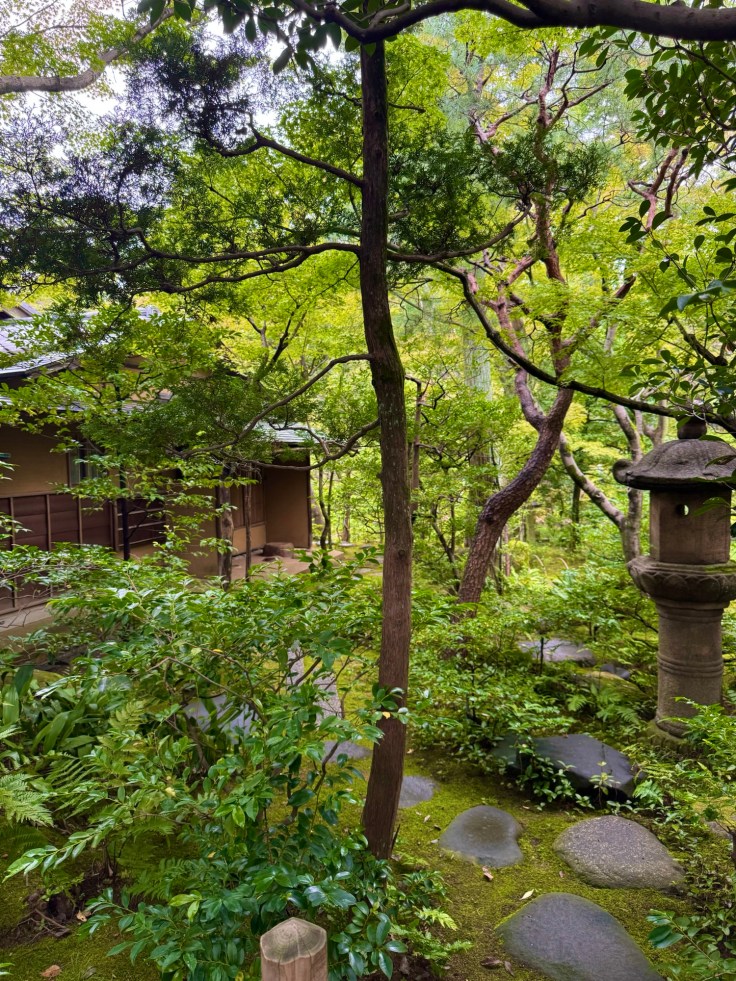
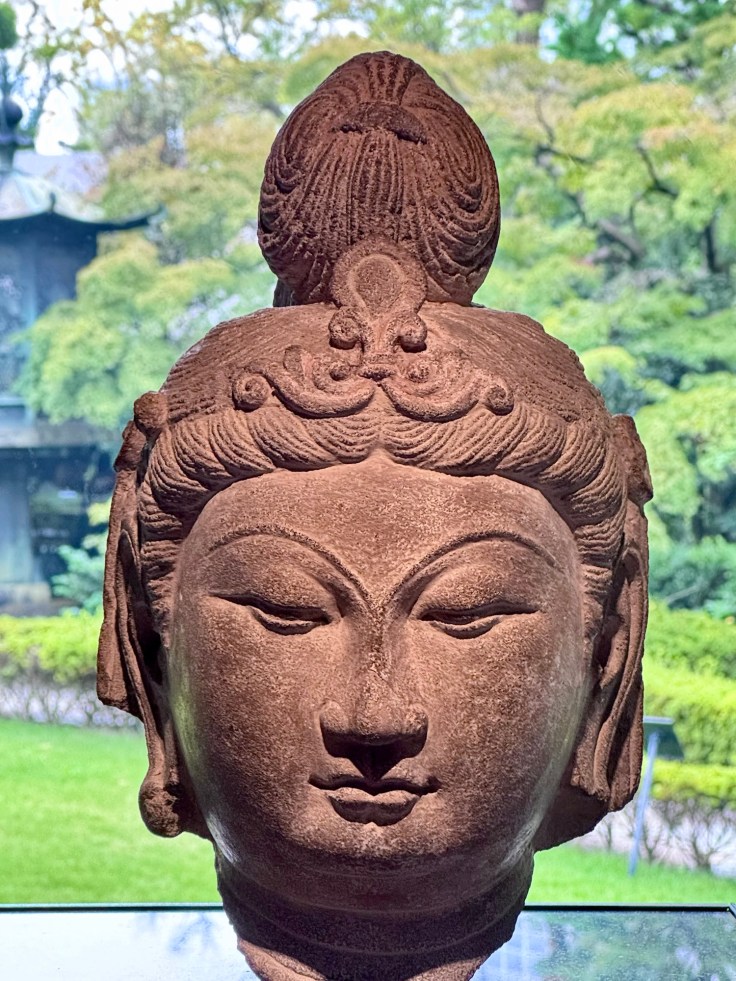
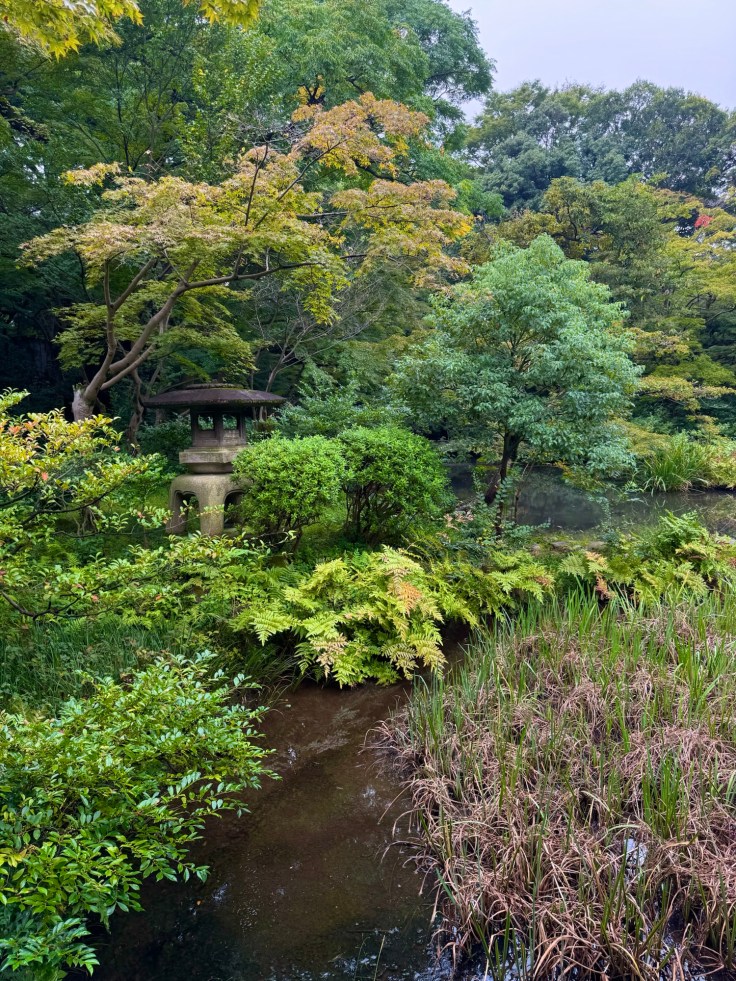
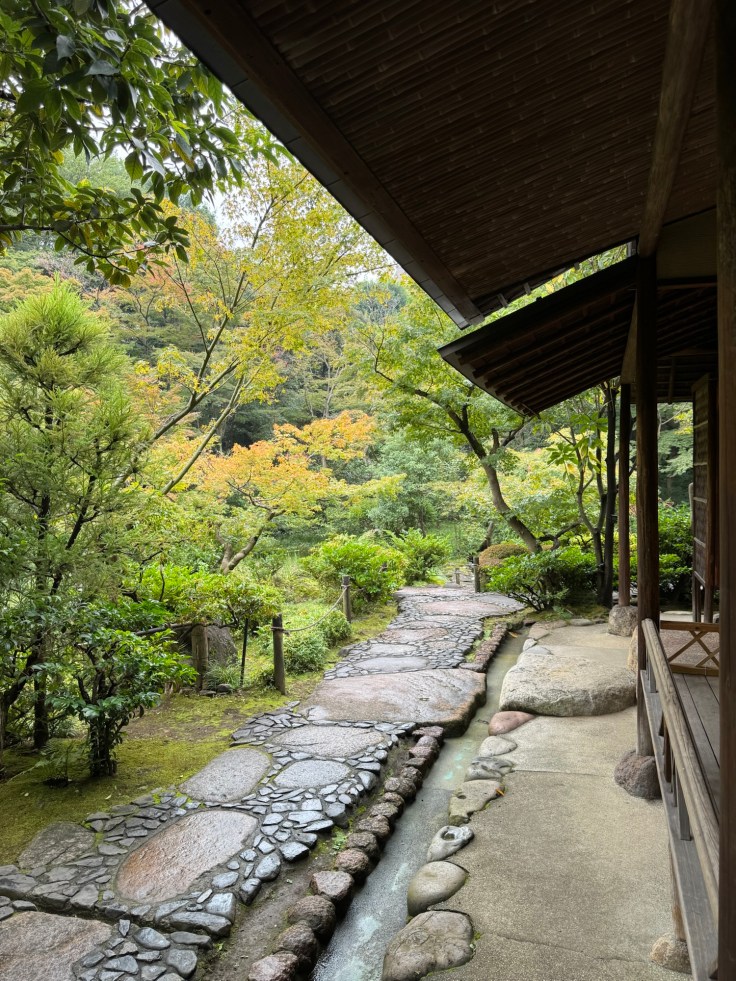
The garden itself is a true haven of tranquility in the bustling metropolis of Tokyo. It was designed in the style of shinzan-yūkoku ‘deep mountains and mysterious valleys’. It includes several teahouses and parts of the museum collection, scattered around the 17.000 m2 of hills and valleys. The garden has been landscaped to embody the natural beauty of the Japanese mountains and forests.
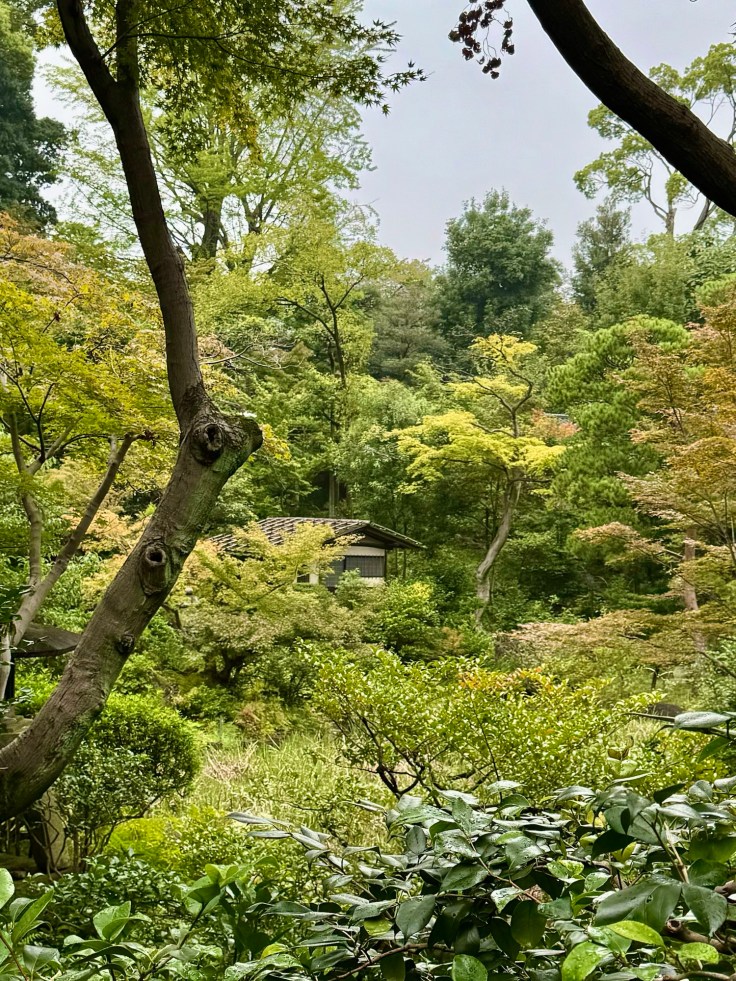
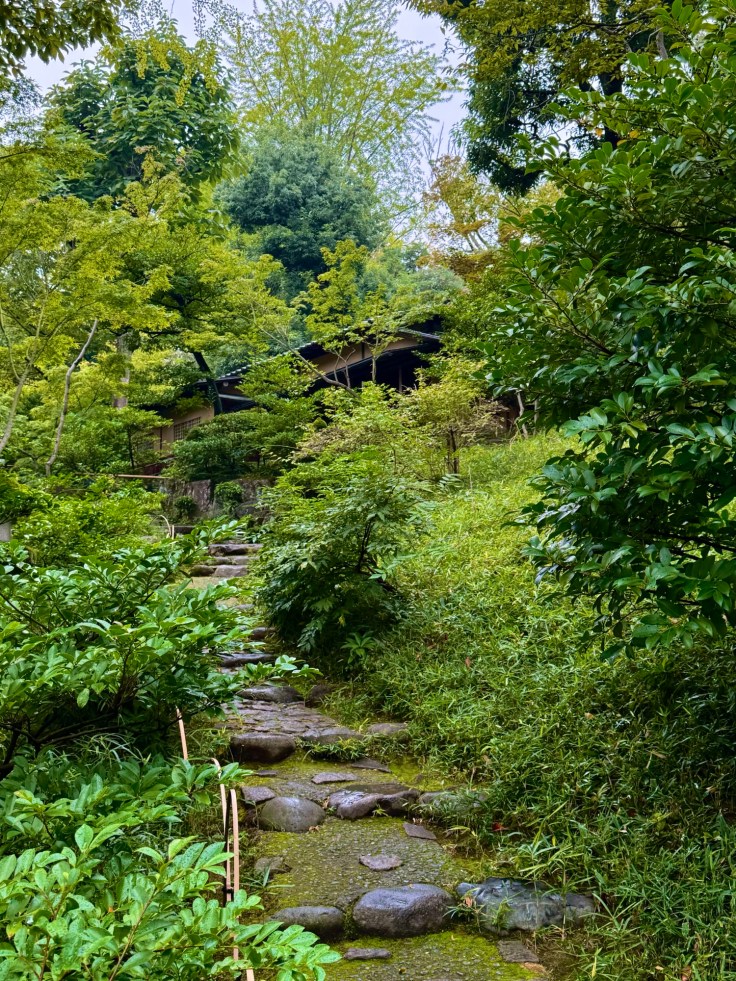
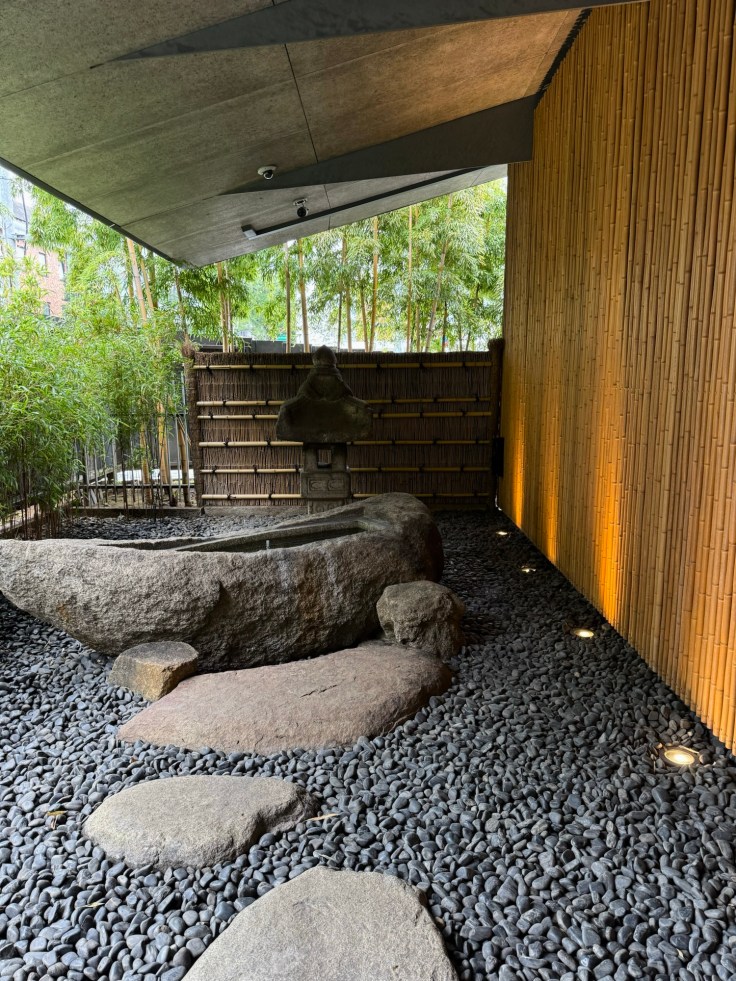
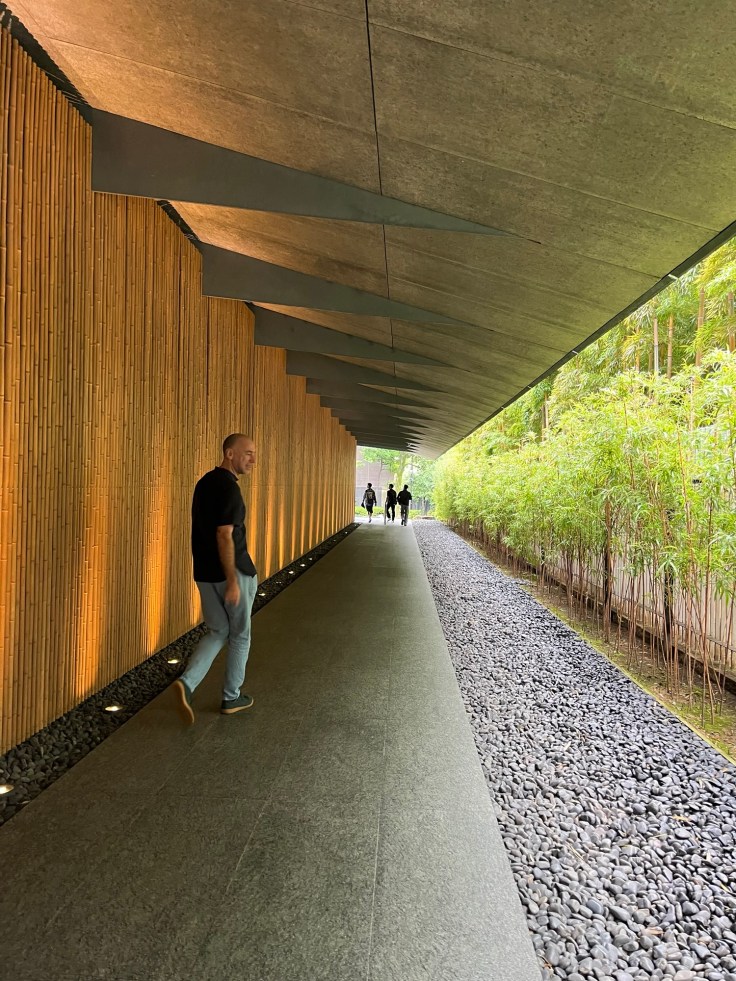
When you enter the museum grounds you are already welcomed by a moon shaped stone boat water basin and stone lantern, before a long, bamboo-lined path takes you to the main entrance of the sleek museum building.
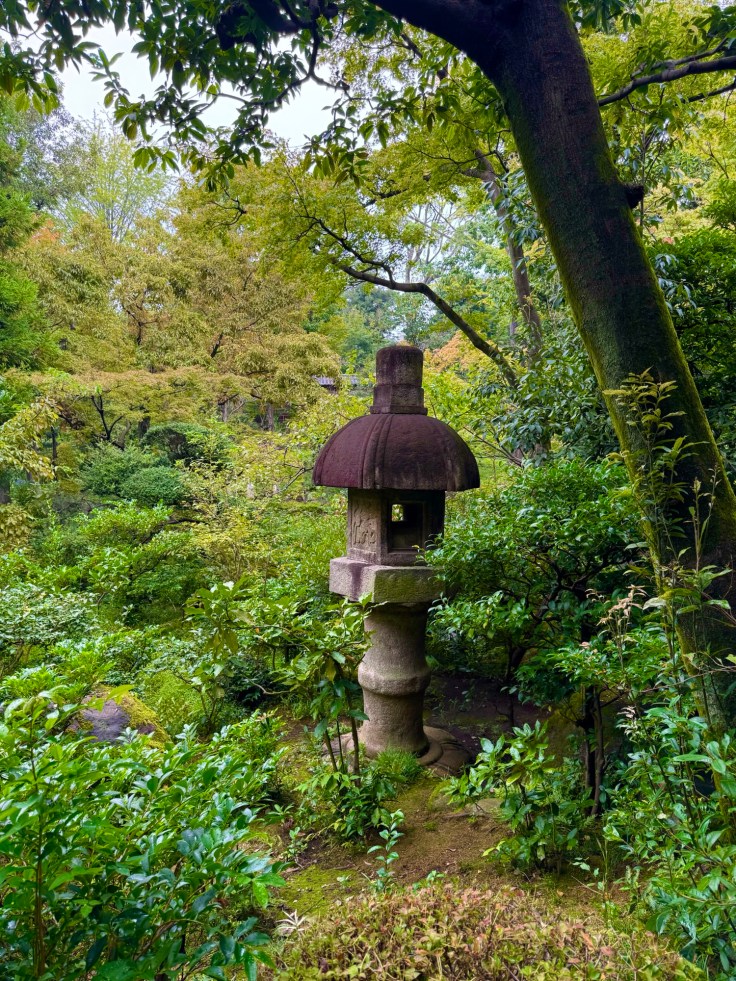
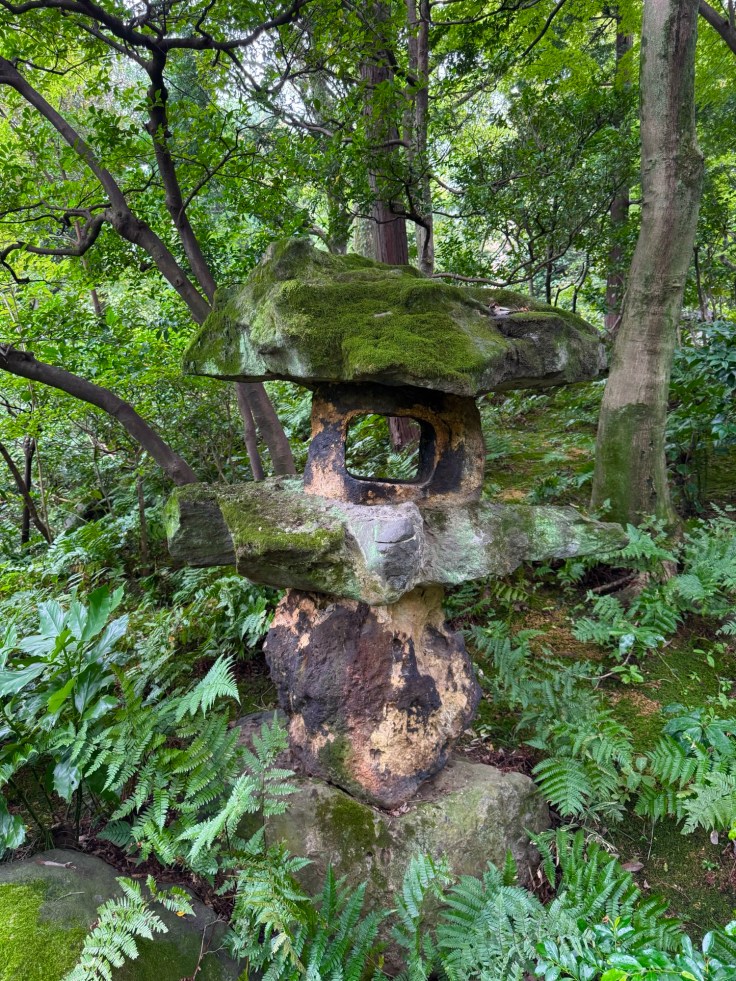
When you enter the main garden from the museum building, several winding paths take you on an adventure in the lush, wooded garden. The paths take you downwards into the valley, where two ponds are connected by small streams. On every turn you might find another ancient stone lantern or buddha statue.
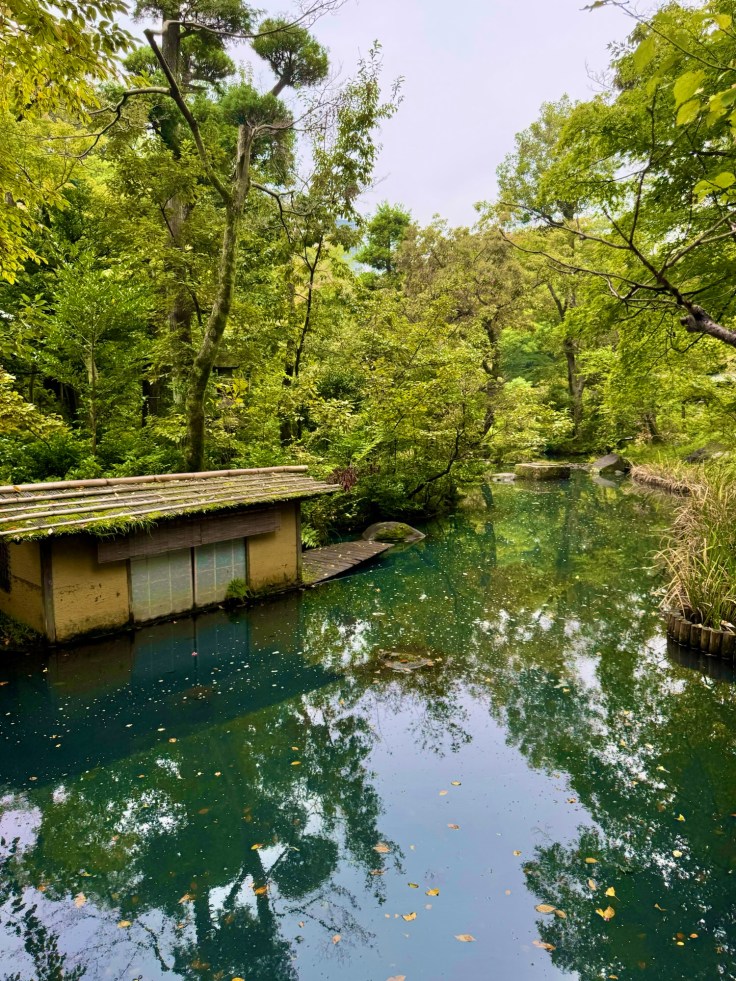
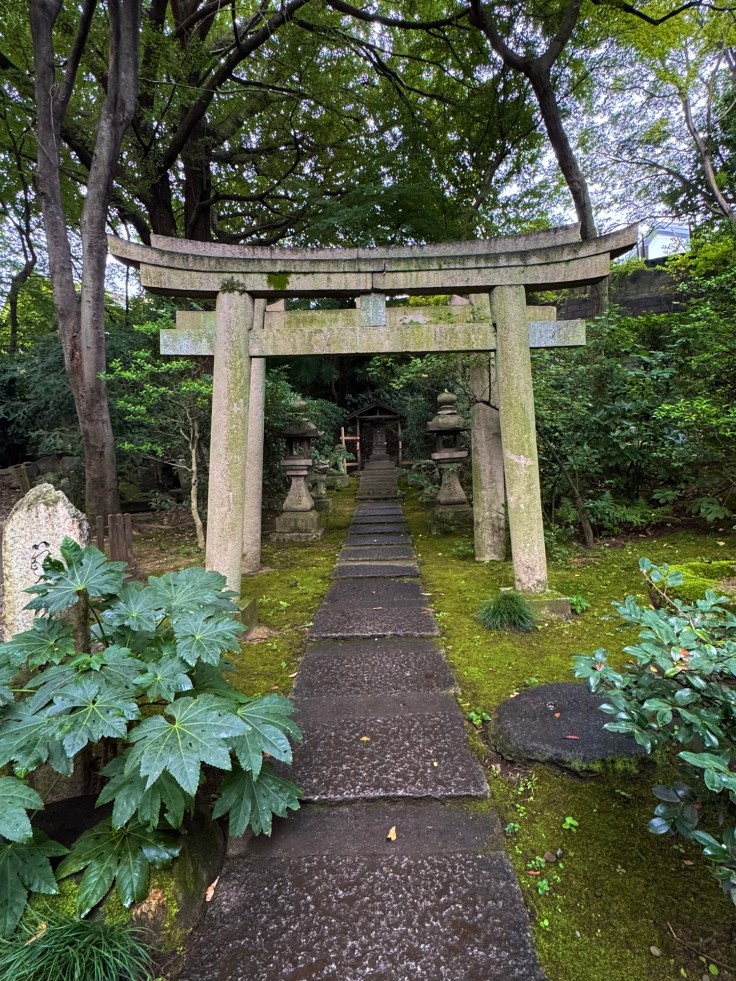
On the left side of the pond you will see a stone tore gate that marks the entrance of a small shrine. This place is called Tenjin no Hibaishi, and the legend tells of a plum tree flew into the garden and took root at this spot. The shrine, dedicated to the shinto deity of scholarship is still visited by students and scholars, hoping for good exams.
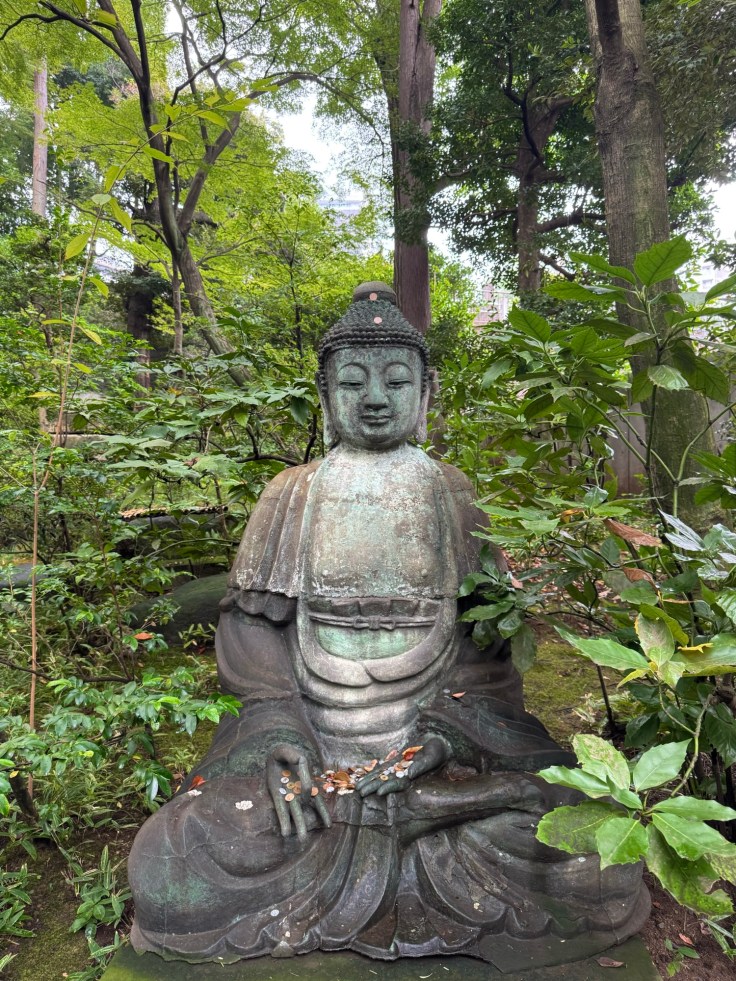
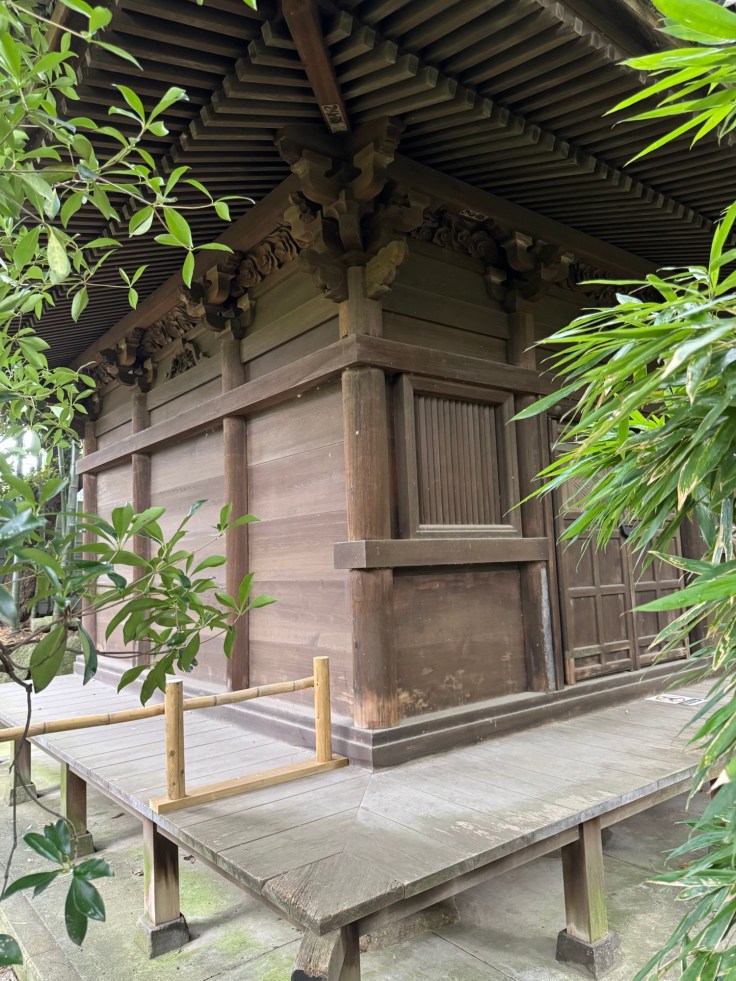
A bit further, when you walk in the back you’ll encounter a small temple called “Yakushi-dou,” where the Buddha of healing is enclosed. The beautiful wooden structure is surrounded by beautiful bamboo and plenty of old statues.
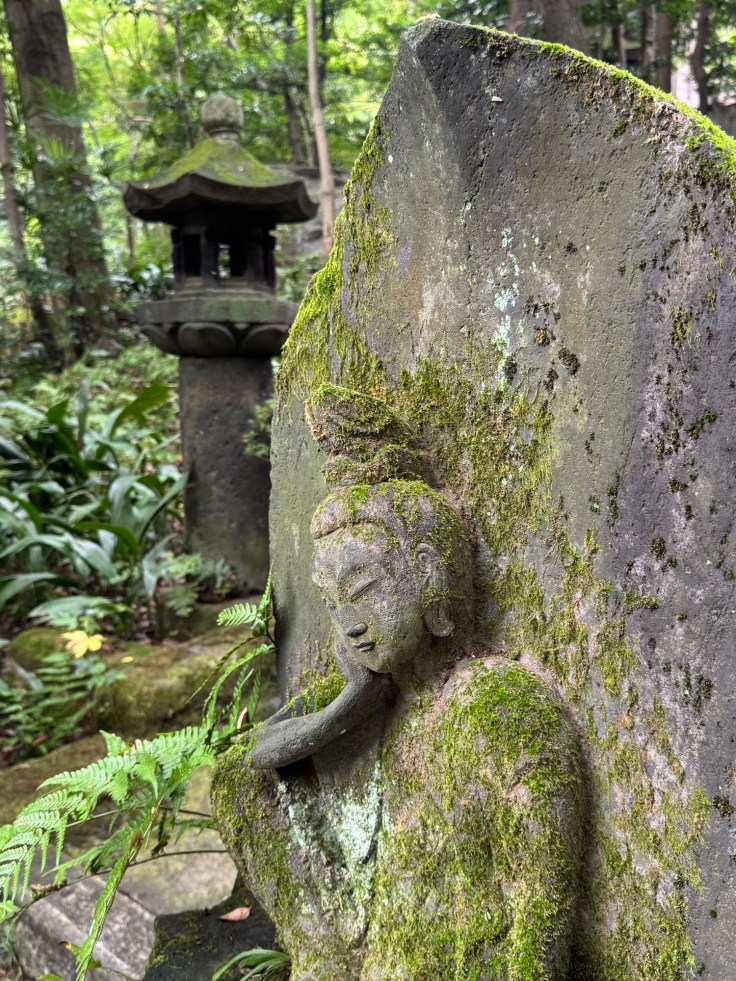
Back near the pond many beautiful Japanese maple trees frame the old tea houses. In another corner you can find a small waterfall. There is much more to see than what I can describe here in this small article, so if you have the chance, do visit and get lost in this calm retreat.


Nezu Museum : 6-5-1, Minamiaoyama, Minato-ku, Tokyo, 107-0062
Metro station is Omotesando. Chiyoda line, Ginza line and Hanzomon line stop here. Use exit 4 or 5 and walk down Omotesando towards south east. After 400m you will reach the museum and gardens.
 Springhill Stories
May 22, 2025 at 09:47
An excellent report, Stefan and I find it striking, delightfully so, that this is a far more naturalistic garden than one usually sees from Japan. There is a fullness here, a lushness, which is very appealing. I think it is a far more relaxed and relaxing style and very attractive.
LikeLiked by 1 person
May 22, 2025 at 10:15
It was indeed way more natural and intimate than most known Japanese gardens. Wandering on those paths you had no idea being in the middle of Tokyo.
LikeLiked by 1 person